

Bird flu confirmed in North East


People are being urged not to touch sick or dead wild birds, following confirmation of Avian Influenza A (H5N1) in the North East.
The Department of Public Health HSE North East and the Department of Agriculture, Food and the Marine made the appeal, and called for the housing of poultry and captive birds to help against the spread of the disease.
“The A (H5N1) strain is highly pathogenic to other birds”, said Dr June Fanning, Head of National Disease Control Centre at the Department of Agriculture Food and the Marine. “However there have been no human cases of infection reported in Ireland/Europe.
“While the risk to human health is very low”, she added, “it is still important that people do not handle sick live wild birds or wild bird carcasses, without taking appropriate precautions, otherwise infection control measures may be necessary for such individuals.
“With an increasing number of cases of wild bird infection seen across the country, all poultry and captive birds must be housed to mitigate the risk of the disease spreading to poultry and captive birds.” Dr Keith Ian Quintyne, Specialist in Public Health Medicine with the Department of Public Health, HSE North-East confirmed two outbreaks of Avian Influenza A (H5N1) in flocks in Monaghan as well as a number of wild birds across the country, during the last week.
“We know that people are concerned for wild birds, especially ensuring they are fed in these colder months, however it is important that people avoid contact with sick or dead wild birds”, said Dr Quintyne.
“The Health Protection Team (HPT) in the Department of Public Health, HSE North East has been undertaking risks assessments and providing appropriate advice to those who have been identified, in keeping with national guidance. We are asking people to avoid touching potentially infected wild birds, and if you find a dead wild bird to follow the guidance.”
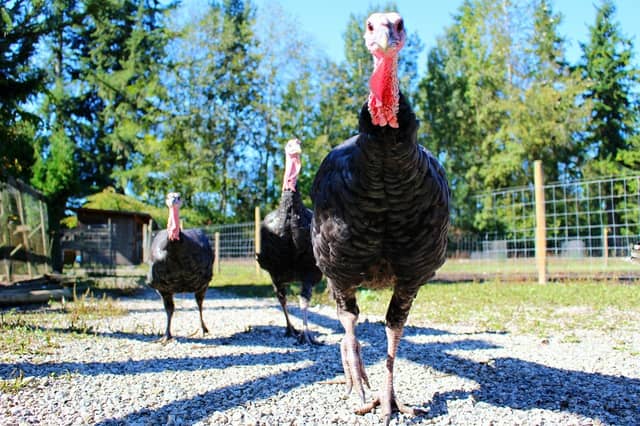
Dr Augustine Pereira (Director of Public Health for the North East) said that as a consequence of the detection of Avian Influenza in samples from a turkey flock in Co. Monaghan “restriction zones are being set up around the area where additional movement control and surveillance measures are put in place."
People are advised not to pick up or touch sick, dying or dead poultry or wild birds, and keep any pets away from them, avoid contact with surfaces contaminated with bird faeces, avoid untreated bird feathers and other bird waste and maintain good personal hygiene with regular hand washing with soap and use of alcohol-based hand rubs
If you find dead waterfowl (ducks, geese or swans) or other dead wild birds, such as gulls or birds of prey you should report them to: Department of Agriculture, Food, and the Marine (DAFM) at 01-4928026.
In the event that the dead wild bird tests positive for avian influenza and you have previously reported direct contact with the wild bird, you may be contacted by the Health Protection Team (HPT) at the Department of Public Health, HSE North East.
They will check these details with you as part of a risk assessment, and provide any relevant health advice such as arrangements to check on your health, as a precautionary measure. You may be offered antiviral medicines to prevent Avian Influenza.