

The last train from Dundalk to Greenore in 1951
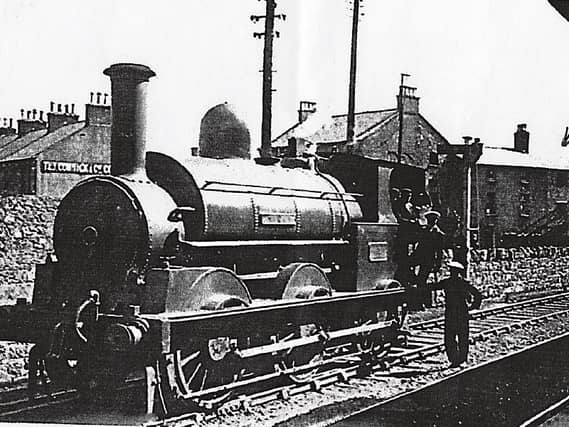

The last passenger train from Dundalk to Greenore that ran on the night of December 31, 1951 (not January 1951, as accidentally slipped into these notes last week) which I wrote about was certainly a night remember for all those who witnessed its passing!
Tom McDevitte, writing under the pen name 'Roamer' in the Democrat, ending his his reminiscences ---
'The last train from Dundalk was driven by Barney Dullaghan, his fireman was Hugh Rafferty and another Rafferty, Pat, was the guard. The train from Newry, accompanied on the footplate by Dr. Finnegan from Carlingford and the guard was an old employee who had served the the railway for over forty years, Tom Carroll.
With tears in his eyes, no doubt, he chalked the epitaph on the back of of his van at the very end of the last train, two simple words “The End”.
The interesting thing about this story by Roamer is that this was not, in fact, the last train to travel between Dundalk and Greenore. During the following year trains travelling regularly out of Barrack Street Station to Greenore Port and, probably also others out of Edward Street Station, Newry.
The reason I am sure of this is that during that summer of 1952, which was a fine one, I played often in the St. Mary's College football fields, along with other secondary school students from both St. Mary's and their friends who studied at the Christian Brothers. Sadly, many of these boys of nearly seventy years ago have passed away now but I recall vividly that we used to stop to watch trains steaming over the First Metals beside St. Helena Park.
I believe that most of the activities on the line that year had to do with the dismantling of the old railway fittings along the line. The last to cross the bridge left Quay Street Station sometime in the autumn of 1952 and had the words 'The End' painted on the back of the end coach. My late brother Paul took a picture of that train which was published in various journals all over the world and a print of it must still exist but, unfortunately, is not now in my possession.
Immediately after that last train passed workers from the Hammond Lane Foundry began dismantling the old metal bridge which curved over the Castletown Estuary for a distance of over half a mile. I was told that the Foundry took over 600 tons of steel from the salvage of the bridge and then moved on to the Ballymascanlon Viaduct about a mile further down the track. The Second Metal Bridge was straight and somewhat shorter but there must have been around 1,000 tons of metal salvaged from the two bridges.