

Racing back at Dundalk as anti-doping squad bare their teeth


Inside Track with Joe Carroll
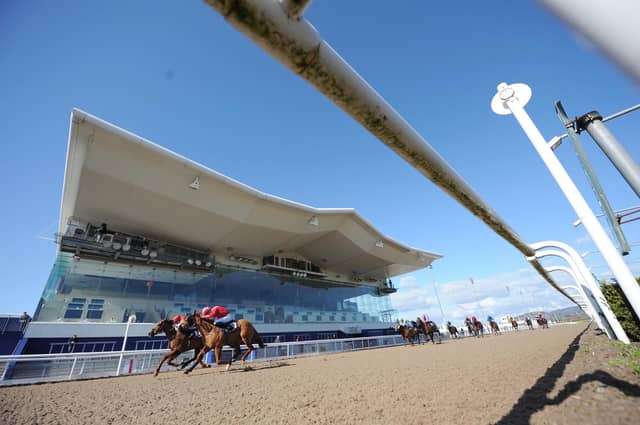
The horses will be back running at Dundalk Stadium next Friday night, and it will be like that on most Friday nights until well into the New Year.
The venue stages upwards on 40 meetings over the winter months and well into spring.
All-weather racing is not everyone’s cup of tea, but not among the disinterested are trainers.
Since it opened 16 years ago, the track has attracted runners from all the big stables the country’s leader, Aidan O’Brien’s among them.
Horses that have raced there have gone on to greater things, future winners at America’s prestigious Breeders’ Cup meeting included.
O’Brien recently turned out his 4000th winner, joining the elite cohort of Dermot Weld and Willie Mullins.
Punters
If you are a punter who doesn’t mind waiting a while to see if your bet comes up, lay out a few quid on O’Brien’s son, Joseph, one day reaching the same landmark.
By then, however, the present-day achievers – his dad and Mullins in particular – will probably have a 5 and three noughts on the board.
Weld, who is still at the top of the game, is the oldest among the trio at 75, and it wouldn’t come as a surprise to hear he is to soon hand over to one of his sons.
A trainer who might not have a runner at Dundalk next Friday is Luke Comer.
The billionaire businessman, who owned most if not all of the horses in his yard, and whose white-and-maroon colours have often been worn at Dowdallshill, has been banned for three years.
Twelve of the horses at his Kilternan, County Dublin, stable tested positive for banned anabolic steroids, and in addition to being warned off, Galway-born Comer has been landed with a bill of over three-quarters of a million euro.
Because the ban – which he can appeal – doesn’t kick in until January 1st, he can continue to run horses up until the end of this year.
Outcome
There are many who’ll rejoice in the outcome of the Irish Horseracing Regularity Board’s findings. Doping is the bane of many sports, but for whatever reason, whenever something like this happens in racing, criticism seems to be at its fiercest.
It could be because the industry is in receipt of huge government financial support, which stakeholders contend is justified due to number of people employed in the game, and also the worldwide reputation the Irish thoroughbred has gained over the years.
Detractors, however, are given oxygen when something like the Comer issue arises, and it doesn’t seem to matter that the authorities are becoming more successful in detecting wrongdoing.
Several Irish trainers have been stood down in recent years for a variety of reasons, mostly doping. The sooner all miscreants are rooted out the better.