

Farrell Furniture in Ardee switches fleet to HVO biofuel

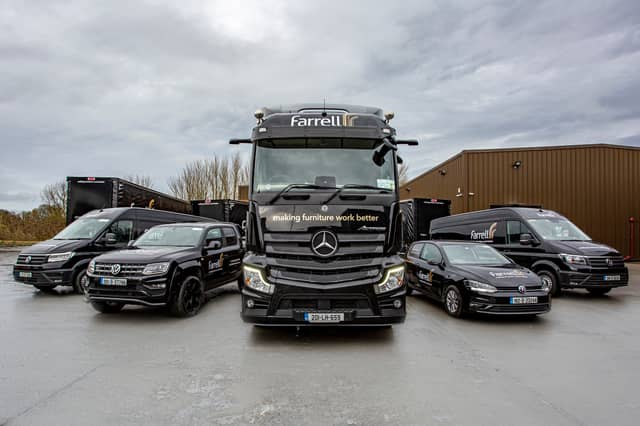

HVO biofuel powers Farrell’s mission for a greener fleet
Ardee-based Farrell Furniture says it is excited to announce a major step in its ongoing sustainability journey; the entire fleet of vehicles is now powered by HVO biofuel. This transition is a crucial part of the furniture solutions company’s mission to reduce carbon emissions and operate more sustainably.
The company says that with up to a 90% reduction in CO2 emissions compared to conventional diesel, this switch highlights Farrell's commitment to protecting the environment, while maintaining the high standards of service its customers expect. Looking to the future, this move reflects Farrell's dedication, it adds, to integrating greener practices throughout all areas of the business.
Established in the early 1960s, and now with premises in Ireland and UK, sustainability has long been a core value at Farrell, with an emphasis on creating eco-conscious furniture and reducing waste. This move to HVO biofuel supports the company’s existing sustainability initiatives, such as responsibly sourcing materials and improving energy efficiency in its manufacturing processes.
HVO (Hydrotreated Vegetable Oil) is an advanced biofuel derived from renewable resources such as waste oils and fats. Through a hydro-treatment process, HVO is chemically similar to diesel but produces significantly fewer emissions. Crucially, HVO can be used in existing diesel engines without the need for modifications, meaning Farrell was able to make the switch seamlessly without any disruption to its fleet.
In addition to reducing CO2, HVO also lowers harmful particulate and NOx emissions, contributing to better air quality. This makes HVO an ideal choice for companies like Farrell, which have a focus on reducing their environmental impact while maintaining operational efficiency.
Farrell’s decision to switch to HVO biofuel was driven by two primary factors; environmental responsibility and operational efficiency. As a company already focused on eco-conscious practices in its furniture production, it was a natural progression to extend this commitment to its fleet operations. The switch to HVO allows Farrell to significantly reduce its carbon footprint and align its transport operations with its sustainability goals.
Jerome Durnin, Continuous Improvement Lead at Farrell, speaks about the decision to switch to HVO; "With our nationwide deliveries, we cover a lot of miles, so switching to HVO was an easy choice for our green initiative. It cuts our carbon emissions by 90% and reduces wear on our fleet, with reports of increased fuel efficiency and more miles per tank.
While HVO is slightly more expensive than diesel, the costs are working out fine. Plus, with no engine modifications needed and the option to use standard diesel if necessary, our drivers have a safety net, especially on longer trips across Ireland."
This transition proves, the company says, that sustainability and business success can go hand in hand, allowing Farrell to reduce its carbon footprint without compromising on the quality or reliability of its services. The switch to HVO is a critical step towards achieving the company’s long-term sustainability goals and reflects its commitment to a greener future.
Joint-CEO Brendan Farrell explains the importance of sustainability in Farrell’s approach; "At Farrell, sustainability has always been a core value, and the switch to HVO biofuel reflects our commitment to minimising our environmental impact. We believe that businesses have a responsibility to lead the way in adopting greener technologies, and we encourage others to follow suit. Together, we can make a significant difference in addressing climate change."
Through this transition, Farrell hopes to inspire other businesses to consider alternative fuel sources and take steps towards a more sustainable future. Tackling climate change requires collective action, and Farrell says it is proud to be part of the movement towards creating a cleaner, greener world.