

‘We need to find a way’: Louth cases highlight gaps in mental health support

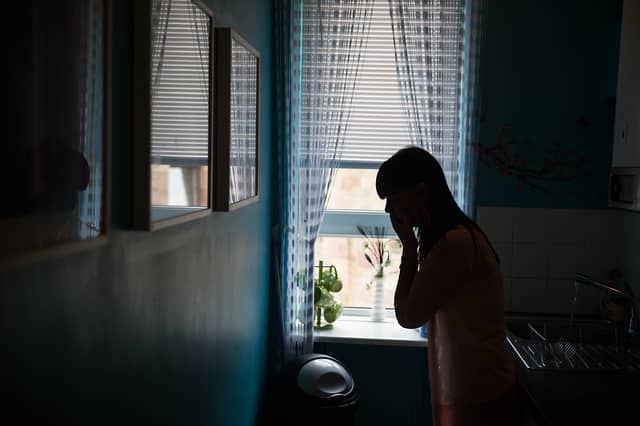

Louth families struggling to secure timely mental health support for loved ones
Louth TD Ruairí Ó Murchú has warned that vulnerable people in the county can be left without adequate mental health support for lengthy periods, telling the Dáil that “we need to find a way to deal with this”.
Deputy Ó Murchú raised a number of cases involving people with serious mental health difficulties, including a young man diagnosed with schizophrenia, a 29-year-old man with a long history of mental illness and people experiencing homelessness.
He said the current system could leave families struggling to secure help when a person did not want treatment.
“Families do not have the capacity to start the forms and their interaction with mental health services can sometimes be imperfect,” Deputy Ó Murchú said.
He said he had dealt with a case involving a man who had been put out of emergency accommodation and had a long history of mental health problems.
An attempt was made to secure a voluntary admission, involving gardaí and a mental health social worker, but it was unsuccessful.
“The problem is that this probably happened two weeks into the event. It probably took about six weeks before there was an authorised officer,” he told the Dáil.
Deputy Ó Murchú said more authorised officers were needed to deal with cases where people were clearly experiencing mental distress but did not meet the threshold for immediate intervention.
He also questioned whether additional guidelines were needed for local authorities and GPs.
“We could all have an argument about what is immediate or serious harm and whether someone is going to seriously deteriorate,” he said.
The Dundalk TD said he had also been contacted about a mother whose 29-year-old son had a long history of mental illness and who did not want support.
“In some instances, mental illness has brought him into prison, but he does not want support at this point in time,” he said.
“They cannot get a referral from a GP. Community services have put him off the books and his mother needs a solution.”
Another case involved a young man diagnosed with schizophrenia who had stopped taking his medication. Deputy Ó Murchú said his mother had previously needed protection orders and was now “very worried that the situation is deteriorating”.
“There was an attempt at getting a voluntary admission, but it did not work,” he said.
“We need to find a way to deal with this.”
Minister of State for Mental Health Mary Butler said the legal threshold for involuntary detention was deliberately high and that a consultant psychiatrist ultimately makes the clinical decision.
“There are absolutely no circumstances where, if a consultant psychiatrist determines that a person must be involuntarily detained against their consent for their own safety or the safety of others, there is a resource issue,” she said.
Deputy Ó Murchú responded: “It is about getting the person to that point.”
He later added: “People have to get them to the psychiatrist.”
Ms Butler said the answer could not simply be to broaden the grounds for involuntary admission.
“I fully accept that many people experiencing homelessness and severe mental illness need more support,” she said.
“The answers cannot simply be to broaden the grounds for involuntary admission.”
She said services needed to be “more responsive, more flexible and better able to meet people where they are”.
The Minister also said the number of authorised officers would increase significantly under the new Mental Health Act, from the current 126 to an expected 500.
She invited Deputy Ó Murchú to provide details of some of the cases he had raised.
“I know he is genuinely worried about them, but I have to work within the Act I currently have,” she said.