

Dundalk remains Ireland’s third-cheapest student town

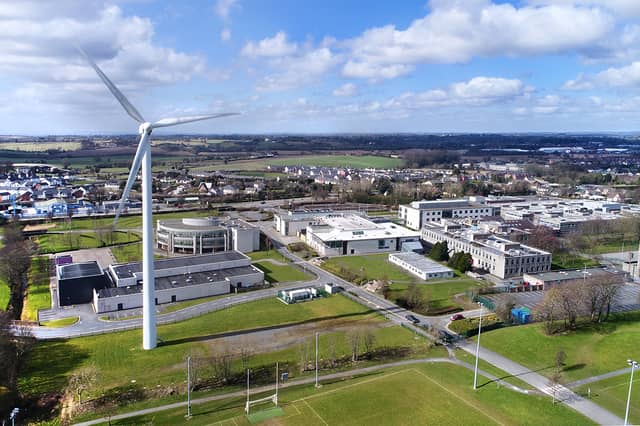

Students in Dundalk can expect average monthly costs of €1,402
Dundalk remains one of Ireland’s most affordable towns for students, despite another year of rising costs, according to new research on the price of third-level education.
The latest Student Cost of Living Guide 2026 from Switcher.ie shows that while accommodation, utilities and everyday expenses continue to put pressure on student budgets nationwide, Dundalk has held onto its position as the third-cheapest place to study in Ireland.
Students in the town can expect average monthly costs of €1,402, or around €15,120 for the academic year — €423 more than last year but still €1,038 below the national average and almost €4,900 less than students studying in Dublin.
While the overall increase was softer than last year, students are still paying more across most major expenses.
Average increases include:
- Utilities: +9% (+€70 per year)
- Entertainment: +4% (+€139 per academic year)
- Groceries: +4% (+€82 per academic year)
- Accommodation: +3% (+€183 per year)
- Non-EU university fees: +3% (+€525 per year)
Overall, students could now spend an average of €16,158 going to college in 2026, around €479 more than in 2025and €1,060 more than in 2023.
Accommodation remains one of the biggest costs facing students, with average annual rent up €183 on last year and €547 since 2023. Students in private accommodation also pay around €976 more per year than those living on campus.
The heftiest increase was recorded in Tralee, followed by Cork, Dundalk and Sligo, largely due to higher prices at private student accommodation providers.
Rent averages €583 per month in Dundalk, after annual accommodation costs rose by around €263, the third-largest increase in the study.
Utilities added to the squeeze, rising across both private and on-campus housing, while food and socialising costs continued to creep up. Transport and gym membership were among the few expenses to remain broadly unchanged.
Letterkenny, Sligo, Dundalk, Waterford, Athlone and Tralee were Ireland’s six cheapest student towns in 2026.
Dundalk holds third place in the affordability table, helped by some of the lowest grocery and socialising costs in the country. Letterkenny and Sligo take the top two spots, while Waterford and Athlone also offer comparatively good value. Tralee remains in the top six despite a sizeable increase in rental prices.
Students in Dundalk benefit from the country’s third-cheapest grocery basket at €197 per month, while drinks, eating out, cinema trips and other entertainment average €343 per month.
But even the cheapest towns have not been spared. As well as Tralee, private student accommodation drove up costs in Dundalk and Sligo, while rising utility and socialising expenses continued to erode student budgets across the country.
Dublin, Cork, Maynooth, Carlow, Limerick and Galway remain the six most expensive places to study.
Dublin sits firmly at the top, costing students an average of €1,943 per month, with rent alone reaching €989 per month.
Having fun also costs more in the capital. Dublin students could spend around €66 more per month than those in Dundalk, where average monthly socialising costs are €343.
Rent remains a major drain on student budgets in Cork and Maynooth, while Carlow’s comparatively high private accommodation costs keep it among the least affordable towns. Limerick and Galway complete the bottom half of the table as rising rent, utility and socialising expenses place further strain on day-to-day budgets.
Eoin Clarke, Commercial Director at Switcher.ie, said:
“Our research shows that rent and everyday expenses have added almost €500 to the average cost of college since last year. Even in towns traditionally viewed as affordable, higher bills are making it harder for students and families to stretch their budgets.
“Accommodation continues to take one of the biggest bites out of student budgets. Some of the highest rent increases were recorded in Tralee, Cork, Dundalk and Sligo, where rising private student accommodation prices pushed up the average student accommodation cost in each town.
“The location of study now has an even bigger impact on student pockets, with a gap of almost €6,000 over the academic year between Dublin and Letterkenny.
“Lower accommodation and everyday costs give students in Dundalk, Letterkenny and Sligo a valuable head start, while those studying in Dublin face much greater pressure before books, course materials or unexpected expenses are considered.
“Before considering education loans, students and parents should explore financial supports like SUSI grants, scholarships and the Student Assistance Fund first. And remember to claim any tax relief due for tuition fees and rent.
“Planning a realistic budget before term begins can also help identify any shortfall early and reduce the need for expensive last-minute borrowing.”