

20 New Year's Eve food traditions from around the world


New Year
1-In Poland pickled herring is eaten at midnight to bring a year of prosperity and bounty.
2-In Greece, vasilopita is a round coffee cake that's usually made with almonds and is traditionally baked with a coin inside of it. The coin is believed to bring good luck to the person who finds it.

4-In Mexico Rosca de reyes is bread baked in the shape of a ring and topped with candied fruit. It contains some sort of trinket, which is a symbol of luck for whomever uncovers it.
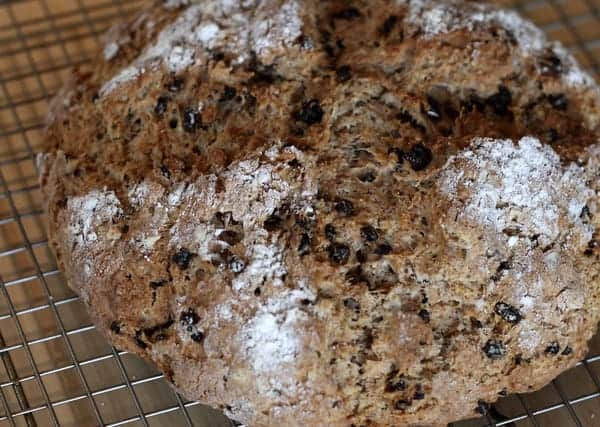
5-Some historians say that the Irish used to leave buttered bread on their doorsteps on New Year's Eve, which local children would then come and pick up.
7-Often, the Swedish and the Norwegians place a single almond in their rice pudding; whoever finds it is supposed to be prosperous in the upcoming year.
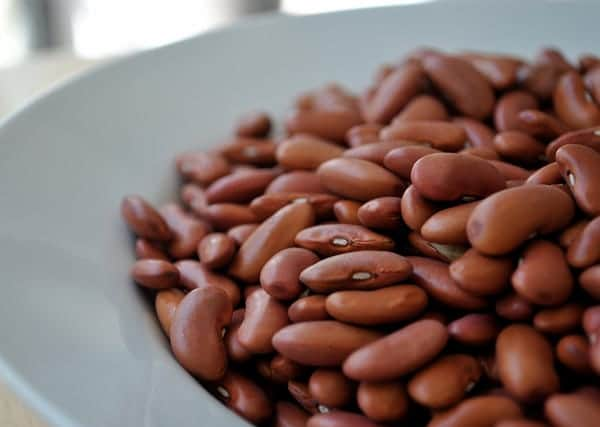
8-In the hopes that it will help them keep their job or find a new, better job, Argentinians eat beans on New Year's Day.
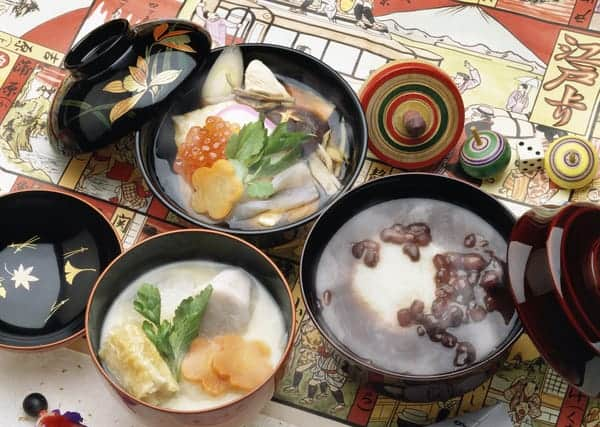
10-Germans like to eat doughnuts known as Berliners (or Krapfen) around midnight on New Year's Eve. These doughnuts are topped with powdered sugar and usually filled with some sort of fruit jam, but on this occasion, many people play jokes on their guests and fill the doughnuts with mustard.
11-Faloodeh, a dessert made with vermicelli noodles and a sugary syrup, is made for multiple special occasions in Persia, one of them being Nowruz, the Persian New Year.

13-In Holland Oliebollen translates to oily balls; these treats are small balls of dough that have been fried, covered in powered sugar, and stuffed with dried currants or raisins.
According to legend, those who used to eat oliebollen would survive the wrath of Perchta, a Pagan goddess who used to cut open the stomachs of rebellious tribes people. Perchta's sword was said to slip off the stomachs of those who ate the greasy doughnuts.
14-Whiskey is a must during the Scottish new year — Hogmanay — which is celebrated on the night of January 1st. After toasting at midnight, "first footing" occurs, which is when neighbors bring food and drink to each others' homes.
15-The dumplings eaten for the Chinese New Year — celebrated at the end of January — are known as jiaozi in Mandarin and are regarded as a symbol of wealth and longevity.
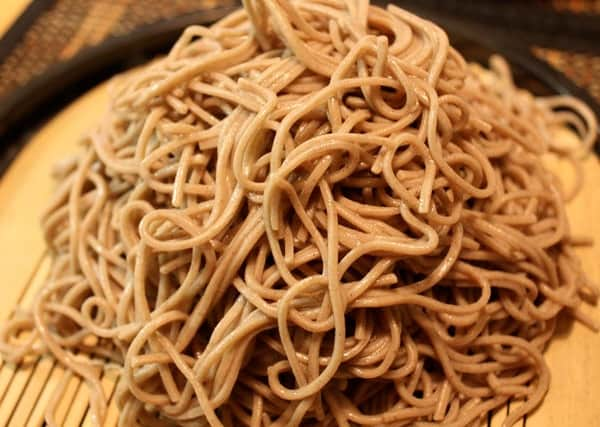
16-Along with fish, Italians like to eat lentils during New Year's celebrations. Because they look similar to coins, the round seeds are said to symbolize good fortune and prosperity in the new year.
17-The Turkish eat pomegranates on New Year's Eve, which symbolize fertility and abundance for the upcoming year.
19-In India, NYE is celebrated in the spring with rice and lentils. Again, the lentils’ coin-like shape represent future prosperity.
20-As the clock strikes midnight on New Year's Eve, the Spanish quickly eat 12 grapes, one by one, which represent each month of the new year. Sweet grapes represent good months and sour represent bad.