

Aengus Ó Snodaigh says letter contained ‘apparently forged’ signature
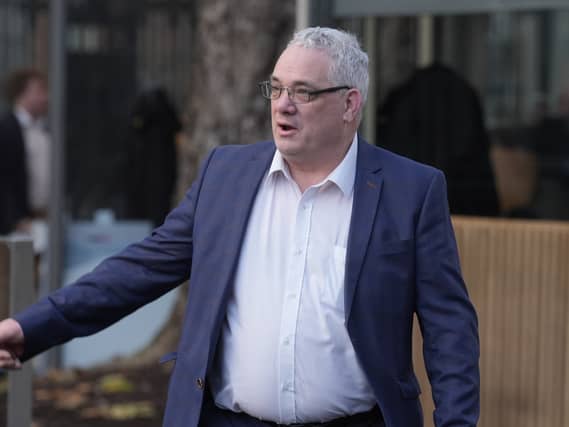

The Sinn Féin sought to make a personal statement to the Dáil in relation to his role at a charity at the centre of a money-laundering investigation.
Sinn Féin TD Aengus Ó Snodaigh has said he was “shocked to discover” a letter bearing a signature purported to be his had been submitted to the High Court, as he insisted he did not sign the document or authorise anyone to do so.
Mr Ó Snodaigh is chairman of Dublin-based Liberty Recycling, a social enterprise focused on clothes recycling.
A money-laundering investigation by the Garda National Economic Crime Bureau resulted in the seizure of luxury cars and goods with a value of about 300,000 euro, and the bank account of the charity being frozen.
The Sinn Féin representative had sought to make a personal statement to the Dáil in relation to his role at the charity but was refused by Ceann Comhairle Verona Murphy.
Tánaiste and Fine Gael leader Simon Harris had been among those calling on the TD to make a statement to the Dáil.
There is no suggestion of wrongdoing on Mr Ó Snodaigh’s behalf and the Dublin TD is not under criminal investigation.
He said the statement would have outlined that he has engaged regularly with the Charities Regulator and had met the senior investigating officer of the Garda unit.
He added: “As matters have unfolded, I have been shocked to discover that a letter submitted to the High Court bears a signature purporting to be mine.
“I did not sign that letter, authorise anyone to sign it on my behalf, or know of its existence before it was disclosed to me following the hearing.
“I have formally submitted a complaint to An Garda Síochána concerning this apparent forgery and asked that it be fully investigated.”
There are ongoing proceedings at the High Court in relation to the charity in addition to the Garda investigation.
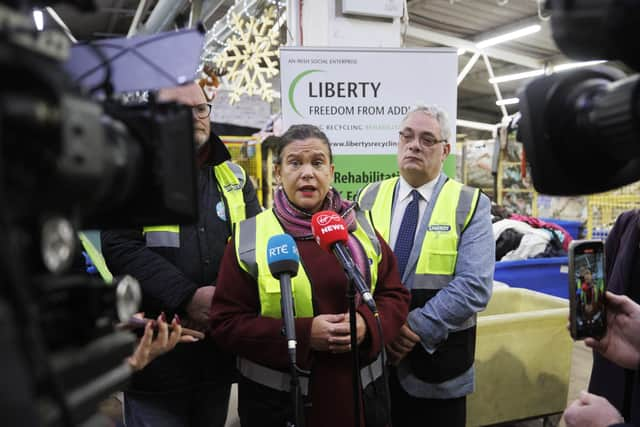
In the statement, Mr Ó Snodaigh said he is “shocked and horrified by the very serious allegations” associated with the charity, adding that he fully supports investigations.
He said he was motivated to work with the charity after seeing the consequences of addiction, and never received remuneration.
He added that the purpose of Liberty Recycling was to provide employment and training to people affected by addiction.
Mr Ó Snodaigh said he accepts criticism of governance and oversight exercised by trustees and directors including his role as chairman.
“My reasons for becoming involved were sincere. But good intentions do not remove the responsibilities of a trustee and chairperson.
“I accept my responsibility to answer for my role and co-operate fully with the examination of what happened.”
He said there is “no suggestion” that he or the other trustees “were involved in, or aware of, the alleged criminal activity”.
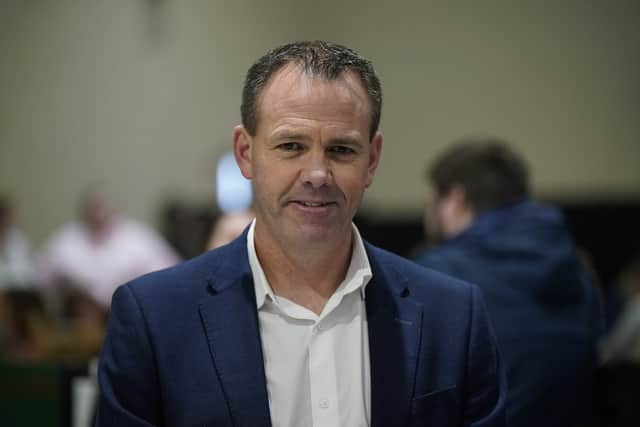
His Sinn Féin colleague, Public Accounts Committee chairman John Brady, said the Charities Regulator and the Department of Social Protection will be invited to appear before the committee to discuss governance concerns at the charity, with other relevant individuals invited when investigations end.
On Tuesday and Wednesday last week, gardaí seized two BMW X5s and luxury goods including Rolex watches and Louis Vuitton bags in a number of searches as part of the probe.
The High Court has appointed a provisional liquidator to the charity.
The Charities Regulator has made an application to wind up the charity, Liberties Recycling Training and Development Company Ltd.
The regulator said the appointment of a liquidator places executive control of the charity into independent hands “immediately to enable transitional arrangements to be put in place to support the charity’s vulnerable service users and employees”.
As part of its grounds for the application, the regulator said there is “no effective management or oversight of the activities of the charity by its trustees/directors”.
The charity operates out of multiple locations and has a wider management team.

The Ceann Comhairle felt unable to accommodate the request due to potential non-compliance with standing orders.
Her decision relates to a Garda investigation and associated legal proceedings.
The Oireachtas said standing orders require that personal explanations must be “brief, non-argumentative, strictly personal, and shall not be such as would cause debate or give rise to further explanations”.
It said the Ceann Comhairle is also “cognisant of the fact that airing this matter on the floor of the House risks impinging on a live investigation and raising further questions”.
It added: “The Ceann Comhairle is constrained by the strict provisions of the standing order and must apply it as set down by the House.
“In this context, the Ceann Comhairle could not consider the matter to be one which meets the requirements of the standing order.”