

Findings of Trauma in the Community project presented in Dundalk

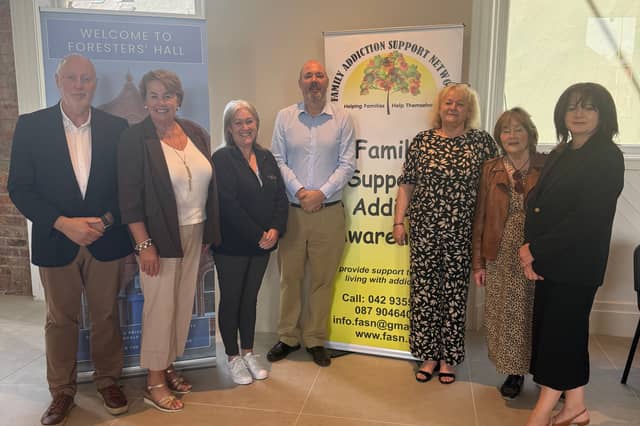

Family Addiction Support Network and FARI, , the national representative body for families affected by substance use, presented the national findings of the Trauma in the Community two-year project at Forrester’s Hall in Dundalk
FASN (Family Addiction Support Network) and FARI, the national representative body for families affected by substance use, presented the national findings of the Trauma in the Community Two-Year Project at Forrester’s Hall, Dundalk on Friday 12 June 2026.
This countrywide project began in September 2024 with a national two-day conference in the Carrickdale Hotel, Dundalk, and gathered evidence from families, frontline workers, and community organisations across Ireland.
It highlights the widespread trauma experienced by Affected Family Members, including intimidation, hidden harms, and the absence of coordinated supports.
Opening the event, Sean Kelly, Cathaoirleach Louth Co Council, stated: “Louth County Council welcomes the findings of the FASN/FARI Trauma in the Community Two-Year Project and recognises its clear relevance to the priorities set out in the Louth County Development Plan and the work of our Community Safety Partnerships.
“The experiences shared today highlight the urgent need for coordinated, trauma-informed responses that place families and communities at the centre of local decision-making.
“We are committed to working with FASN, FARI and all statutory and community partners to strengthen community safety, reduce intimidation and hidden harm, and ensure that every family in Louth is supported, valued and heard.”
Speaking at the event, Jackie McKenna, FASN Coordinator, said: “Trauma is driven by poverty, inequality, stigma, unsafe housing, and limited access to services. These pressures build up and affect people deeply. Trauma is social and structural - not just personal.
“Families are saving lives every single day. They are holding the risk, the fear, the chaos, and the responsibility long before services arrive — and long after services leave.
“But they cannot do it alone. A coordinated, trauma-informed national response is not optional. It is essential.”
One of the strongest messages from this project, FASN and FARI said, is that these issues are not local - they are national. Families, volunteers, and frontline workers in every region described the same patterns: trauma, intimidation, and gaps in support.
FASN and FARI added that the consistency of these themes shows that the challenges are widespread and systemic. The presentation outlined:
- National patterns of trauma, intimidation, and service gaps
- The urgent need for trauma-informed systems
- The lack of comprehensive national data on Affected Family Members
- Risks facing young people in communities with limited supports
- Pressures on frontline workers who feel under-resourced and under-trained
The report calls for practical, achievable actions from the government, including:
- Recognition of FARI as the national voice for families
- Cross-departmental coordination on trauma and community safety
- Investment in community-based supports
- A comprehensive national data collection system for Affected Family Members
- Trauma-informed practice across statutory and community services
The project emphasises that Whole Family Recovery is a community project, requiring strong local engagement, safe access points, and trust between families and statutory partners.
FASN and FARI stressed that families remain central to community safety, early intervention, and recovery - yet continue to carry the burden of trauma alone.
They said that engagement from County Councillors, TDs, Ministers and senior officials is essential to shaping the next phase of this work and ensuring families are properly recognised within national policy and service systems.
FASN and FARI said that if these changes happen, families will have clearer pathways. Young people will have safer options. Services will work together instead of in silos. Communities will feel more supported. And families will no longer be invisible.
Bringing the event to a close, FASN Chairperson Bishop Michael Router emphasised the path ahead noting : “Today's event is not the end of a journey but another important step forward.
“Together, we will continue building safer, stronger, and more compassionate communities where every family is seen, heard, valued, and supported.
“With families at the centre of all our decisions, treatment and policies to treat the scourge of drug abuse and intimidation in our country, we can look forward with real hope”